
The Enigmatic Beauty of Romania
Romania remains one of Europe’s most captivating and underrated travel destinations. While many visitors are drawn to the iconic castles of Transylvania and the medieval charm of its old towns, the country has much more to offer for those willing to venture off the beaten path. Among its hidden gems are the breathtaking painted monasteries of Bucovina and the untouched wilderness of the Carpathian Mountains. These two unique aspects of Romania’s cultural and natural heritage provide an extraordinary experience, blending history, art, spirituality, and adventure in one of the continent’s last true wild frontiers.

The Painted Monasteries of Bucovina
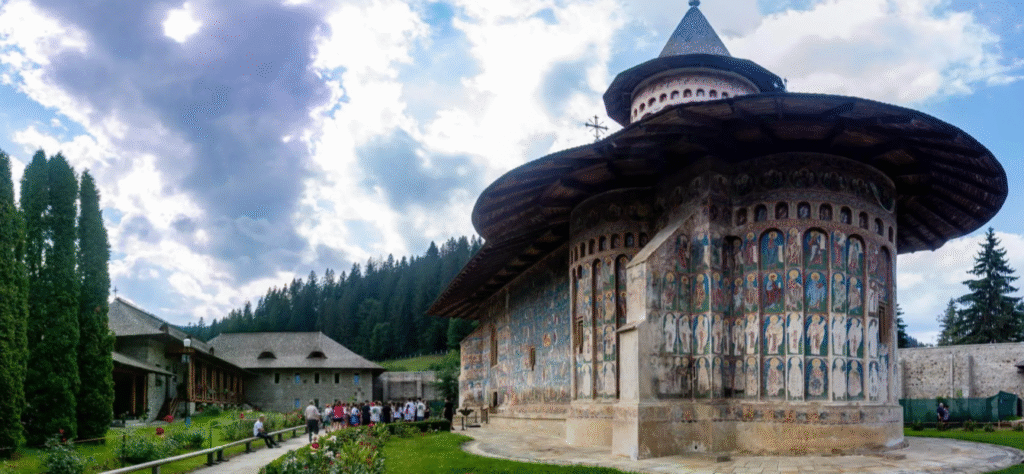
Nestled in the northeastern region of Romania, the painted monasteries of Bucovina are among the country’s most extraordinary cultural treasures. These monastic complexes date back to the 15th and 16th centuries and stand as masterpieces of Byzantine-influenced fresco painting. Recognized as UNESCO World Heritage Sites, these monasteries serve as both places of worship and open-air galleries, where vibrant biblical scenes adorn their exterior walls, defying the passage of time.
The monasteries were built during the reign of Stephen the Great and his successors, with the purpose of celebrating victories against the Ottoman Empire and reinforcing Orthodox Christianity in the region. Their exterior paintings were designed not only to inspire devotion among monks and villagers but also to educate an illiterate population by visually narrating key biblical stories. Today, these centuries-old artworks remain remarkably well-preserved, retaining their intense colors and intricate details despite exposure to the elements.
Among the most famous monasteries, Voroneț is often called the “Sistine Chapel of the East” due to its striking blue frescoes. Its Last Judgment scene, covering an entire wall, remains one of the most impressive religious artworks in the world. Sucevița Monastery, with its green-dominated frescoes, combines Gothic and Byzantine architectural elements, giving it a unique aesthetic appeal. Moldovița and Humor Monasteries also stand out for their vivid depictions of saints, angels, and historical battles, offering an immersive experience into Romania’s spiritual and artistic past.

The Spiritual and Cultural Significance
Beyond their visual splendor, these monasteries have played a crucial role in Romania’s religious and national identity. They stand as symbols of resilience, having withstood numerous invasions and political changes throughout history. Today, they remain active places of worship, attracting both pilgrims and tourists eager to witness their artistic and spiritual legacy. The nuns and monks who reside in these monasteries continue centuries-old traditions, preserving religious customs, crafts, and monastic life in a rapidly modernizing world.
Visitors exploring these monasteries can also immerse themselves in Bucovina’s rich cultural heritage. The region is known for its hospitality, traditional crafts such as egg painting and wood carving, and authentic Romanian cuisine. Dishes like sarmale (cabbage rolls), mămăligă (cornmeal porridge), and cozonac (sweet bread) reflect the hearty and flavorful culinary traditions of this part of Romania. Travelers often find themselves welcomed by locals eager to share their history, stories, and homemade delicacies.

The Wild Heart of the Carpathian Mountains
Stretching across the heart of Romania, the Carpathian Mountains are a haven for nature lovers, adventurers, and wildlife enthusiasts. This vast and rugged landscape remains one of Europe’s last untouched wilderness areas, home to pristine forests, dramatic peaks, and an incredible array of flora and fauna. Unlike the Alps or the Pyrenees, the Carpathians have been largely spared from overdevelopment, preserving their wild and mysterious character.
The dense forests of the Carpathians support one of the largest populations of brown bears in Europe, along with wolves, lynxes, and a variety of bird species. In recent years, Romania has become a top destination for wildlife tracking, with guided eco-tourism experiences allowing visitors to observe these elusive creatures in their natural habitat. Conservation efforts have played a crucial role in maintaining biodiversity, making the Carpathians an essential refuge for species that have disappeared from other parts of the continent.
Hiking and outdoor activities in the Carpathians provide an unparalleled experience, with trails ranging from gentle forest walks to challenging alpine climbs. The Bucegi Mountains, accessible from the popular town of Sinaia, offer spectacular views and iconic rock formations such as the Sphinx and Babele. The Făgăraș Mountains, home to Romania’s highest peak, Moldoveanu, present a challenge for experienced hikers seeking breathtaking panoramas. Meanwhile, the Apuseni Mountains in western Romania are known for their limestone caves, waterfalls, and underground rivers, making them an adventurer’s paradise.
Beyond the wilderness, the Carpathians are dotted with remote villages where time seems to stand still. Places like Mărginimea Sibiului, Maramureș, and the remote hamlets of Apuseni offer a glimpse into Romania’s traditional rural lifestyle. Wooden churches, haystacks, and horse-drawn carts define these landscapes, while locals continue to practice age-old crafts and customs.
Maramureș, in particular, is renowned for its wooden churches, many of which are UNESCO-listed due to their architectural ingenuity and historical significance. These churches, some over 400 years old, were built entirely from wood, including their towering spires and intricate carvings. The region’s unique funeral traditions, exemplified by the famous Merry Cemetery of Săpânța, reflect a distinct perspective on life and death, blending humor with spirituality.
Visitors to these villages often have the chance to witness traditional festivals, folk music, and dances that have been passed down through generations. Wearing handwoven costumes, locals perform rituals that celebrate seasonal changes, harvests, and religious holidays. Participating in these events offers a rare opportunity to experience the living history of Romania’s rural communities.

The Perfect Balance of History and Nature
What makes Romania truly special is its seamless blend of historical richness and unspoiled nature. Whether standing before the vibrant frescoes of a centuries-old monastery or trekking through misty mountain trails, travelers can immerse themselves in a world that feels both ancient and alive. The connection between culture and landscape is deeply ingrained in Romanian identity, with folklore, legends, and traditions drawing inspiration from the surrounding natural beauty.
For those seeking an alternative European destination that remains largely undiscovered by mass tourism, Romania offers an extraordinary journey. The painted monasteries of Bucovina and the wild Carpathians provide an unparalleled combination of artistic heritage, spiritual depth, and outdoor adventure. Every visit to these remarkable sites reveals new stories, perspectives, and experiences, making Romania one of the most rewarding and surprising travel destinations in the world.
