
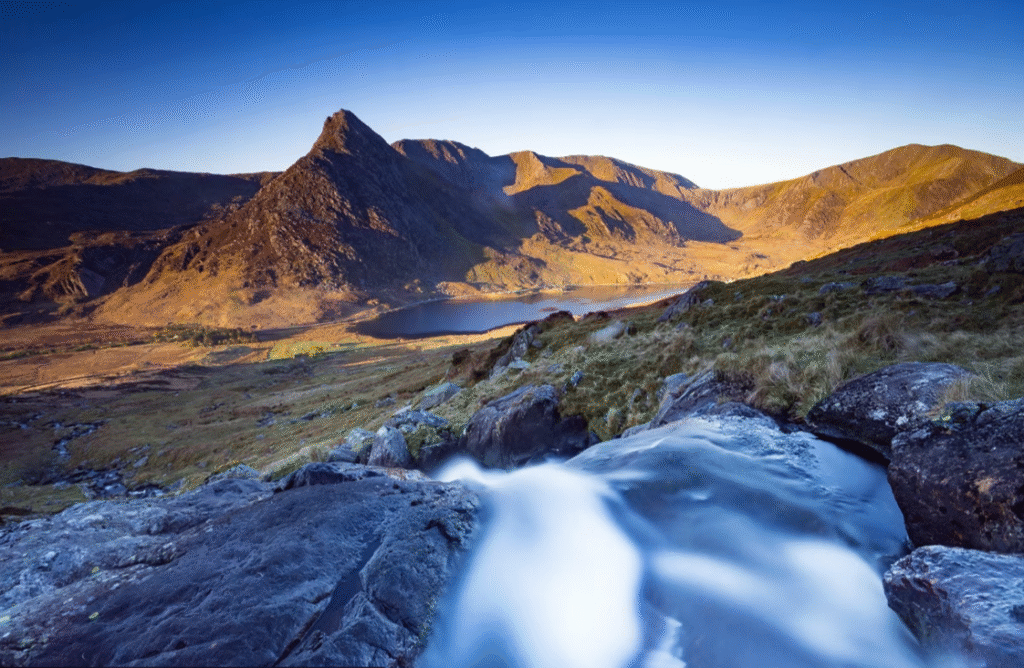
The Unspoiled Beauty of Wales
Wales is a land of stunning landscapes, rich history, and rugged natural beauty. Often overlooked compared to its larger neighbors, England and Scotland, this small but diverse country offers breathtaking coastal cliffs, sprawling national parks, and some of the most spectacular medieval castles in Europe. With its Celtic heritage, rolling green hills, and a coastline that stretches for over 1,680 miles, Wales provides an unparalleled blend of history and nature. Whether wandering through the misty valleys of Snowdonia, hiking along the Pembrokeshire Coast, or exploring the formidable castles that stand as testaments to Wales’ storied past, visitors are sure to find themselves immersed in an environment that feels both ancient and untouched.

The Dramatic Coastal Cliffs of Wales
Wales is home to some of the most spectacular coastlines in the British Isles. The Pembrokeshire Coast, a designated National Park, is one of the country’s most celebrated natural wonders. Its cliffs rise dramatically above the crashing waves of the Atlantic, offering panoramic views, hidden coves, and golden sandy beaches. The Pembrokeshire Coast Path, stretching for 186 miles, provides some of the most scenic coastal hiking in the world. Walkers along this path encounter dramatic rock formations, sea caves, and a rich array of wildlife, including puffins, seals, and dolphins that thrive in the nutrient-rich waters of the Irish Sea.
Further north, the Llŷn Peninsula offers another stunning stretch of coastline, often referred to as the “edge of Wales.” This remote and unspoiled area is known for its windswept cliffs, picturesque fishing villages, and sacred sites. Bardsey Island, once a place of pilgrimage, lies just off the coast, shrouded in legend and home to thousands of seabirds. The Gower Peninsula, designated as the UK’s first Area of Outstanding Natural Beauty, is another coastal treasure. Its beaches, such as Rhossili Bay, are among the most beautiful in Europe, offering dramatic scenery, golden sands, and excellent opportunities for surfing, hiking, and wildlife spotting.

The National Parks and Wild Landscapes
Wales boasts three breathtaking national parks, each offering a distinct landscape and a wide array of outdoor activities. Snowdonia National Park in the north is perhaps the most famous, home to Wales’ highest peak, Mount Snowdon. This towering mountain, at 1,085 meters, draws hikers and climbers from around the world. The views from the summit, accessible via multiple hiking trails or the historic Snowdon Mountain Railway, are among the most awe-inspiring in the UK. Beyond Snowdon, the park features rugged mountains, serene lakes, and ancient woodlands, making it a haven for adventurers and nature lovers alike.
In central Wales, the Brecon Beacons National Park offers a landscape of rolling hills, deep valleys, and cascading waterfalls. The park is famous for its Dark Sky Reserve status, making it one of the best places in the UK for stargazing. The area is also steeped in history, with Iron Age hill forts, standing stones, and medieval ruins dotting the landscape. The park is a paradise for hikers, horse riders, and cavers, with highlights including the towering Pen y Fan, the highest peak in southern Britain, and the spectacular waterfalls of Ystradfellte, known as “Waterfall Country.”
To the west, the Pembrokeshire Coast National Park blends rugged cliffs with sandy beaches, offering a unique mix of land and sea. This park is a magnet for kayakers, surfers, and coastal hikers, with an abundance of wildlife and breathtaking seascapes. The presence of ancient burial chambers, Norman castles, and medieval churches adds another layer of history to the landscape, making every walk or exploration a journey through time.

The Legacy of Medieval Castles
Wales is often referred to as the “land of castles,” boasting more castles per square mile than any other country in the world. These medieval fortresses, many of which remain remarkably well-preserved, tell the story of Wales’ turbulent past and its struggles for independence. Among the most famous is Caernarfon Castle, a UNESCO World Heritage Site and one of the greatest medieval fortresses in Europe. Built by King Edward I as part of his campaign to conquer Wales, the castle remains an imposing sight, with its massive stone walls and polygonal towers reflecting both military might and architectural grandeur.
Conwy Castle, another masterpiece of medieval architecture, dominates the town of Conwy with its impressive towers and breathtaking views over the surrounding landscape. Its well-preserved walls still encircle much of the old town, offering visitors a rare glimpse into a medieval stronghold’s daily life. Harlech Castle, perched dramatically on a rocky hill overlooking the Irish Sea, is yet another stunning fortress. Built to withstand siege warfare, the castle played a crucial role in numerous conflicts and remains one of Wales’ most visually striking sites.
Further south, Cardiff Castle, located in the heart of the capital, presents a unique blend of Roman foundations, medieval fortifications, and Victorian Gothic revival architecture. Inside, the castle’s opulent rooms showcase intricate designs, painted ceilings, and lavish decorations, providing insight into Wales’ evolution from a medieval stronghold to a modern nation. Pembroke Castle, the birthplace of Henry VII, is another must-visit, featuring vast courtyards, hidden tunnels, and stunning riverside views.

The Timeless Appeal of Wales
What makes Wales truly special is the seamless integration of its natural beauty with its historical and cultural heritage. The country’s remote landscapes, dramatic coastlines, and towering castles create an atmosphere that feels both timeless and untouched by modernity. Whether exploring the windswept cliffs of Pembrokeshire, trekking through the rugged peaks of Snowdonia, or wandering the halls of medieval fortresses, visitors to Wales experience a connection to history and nature that is rare in today’s world.
Beyond its physical beauty, Wales retains a strong cultural identity, rooted in its Celtic heritage, language, and traditions. The Welsh language, one of the oldest living languages in Europe, is still widely spoken, particularly in rural areas. Festivals such as the Eisteddfod celebrate Wales’ artistic and literary achievements, showcasing poetry, music, and performance traditions that date back centuries. Welsh folk music, with its haunting melodies and storytelling traditions, continues to thrive, adding to the country’s rich cultural landscape.
Welsh cuisine, shaped by the land and sea, offers a delicious taste of tradition. Dishes such as Welsh rarebit, cawl (a traditional lamb stew), and bara brith (a spiced fruit bread) reflect the country’s agricultural roots, while fresh seafood from the coast provides a modern culinary delight. Traditional pubs and local markets offer an authentic taste of Welsh hospitality, where visitors can experience the warmth and friendliness of the people.
For those seeking an off-the-beaten-path adventure that combines stunning landscapes, historical depth, and cultural richness, Wales is an unparalleled destination. Its coastal cliffs, national parks, and medieval castles tell a story of resilience and beauty, making every journey through the Welsh countryside an unforgettable experience. The charm of Wales lies not only in its breathtaking scenery but also in its ability to transport visitors to a world where nature and history remain deeply intertwined, offering a glimpse into the soul of a nation that has stood the test of time.
