
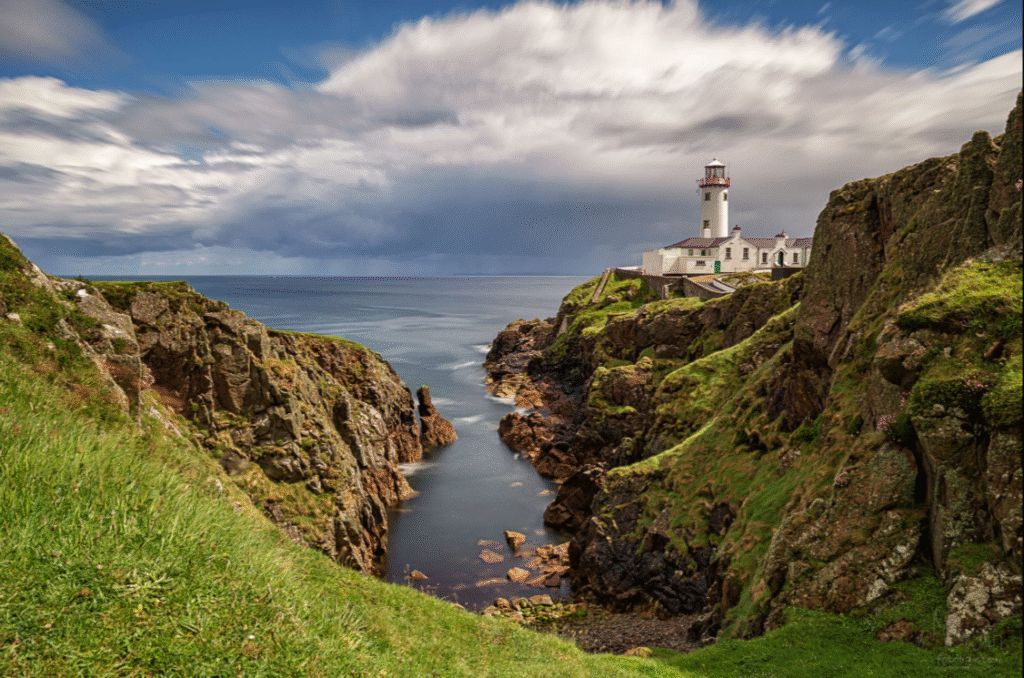
The Unforgettable Journey Through Ireland’s Western Coast
The Wild Atlantic Way is one of the most spectacular coastal routes in the world, stretching over 2,500 kilometers along the western seaboard of Ireland. This breathtaking road trip takes travelers through a landscape of rugged cliffs, sandy beaches, charming villages, and historic sites, offering an unforgettable experience of Ireland’s raw natural beauty. The journey weaves through nine counties, from Donegal in the north to Cork in the south, providing countless opportunities to explore remote coastal hideaways, encounter friendly locals, and immerse oneself in the country’s rich cultural heritage. With every twist and turn of the road, the Atlantic Ocean remains a constant companion, its wild and untamed energy defining the rhythm of life along this dramatic coastline.

The Wild Beauty of Donegal and Sligo
Beginning in the north, County Donegal welcomes travelers with its untamed wilderness and remote beauty. This part of Ireland remains largely untouched by modern development, making it a haven for those seeking solitude and adventure. Slieve League Cliffs, among the highest sea cliffs in Europe, rise dramatically over the Atlantic, offering panoramic views of the ocean stretching endlessly into the horizon. The sight of waves crashing against these towering cliffs is both humbling and awe-inspiring. Inland, Glenveagh National Park provides a contrasting landscape of rolling hills, shimmering lakes, and dense forests, where red deer roam freely and castle ruins hint at a bygone era.
Moving south into County Sligo, the scenery softens slightly, but the wild essence remains. Known as “Yeats Country” due to its association with the famous poet W.B. Yeats, Sligo offers a landscape of poetic inspiration. Benbulben, an iconic table mountain, stands as a striking landmark that defines the region’s character. The beaches of Strandhill and Mullaghmore provide excellent spots for surfing, with the Atlantic swells creating world-class waves that attract surfers from around the globe. The combination of literary history, striking landscapes, and a deep connection to Irish folklore makes Sligo a captivating stop along the route.

The Rugged Charm of Mayo and Galway
As the journey continues into County Mayo, travelers find themselves in a land of windswept landscapes and dramatic coastal formations. Achill Island, connected to the mainland by a bridge, offers some of the most stunning scenery along the Wild Atlantic Way. Keem Bay, with its turquoise waters and white sand, feels almost tropical despite the ever-present Atlantic breeze. The island’s rugged cliffs, particularly along Croaghaun, create a mesmerizing contrast with the deep blue ocean below.
Westport, a lively town at the heart of Mayo, provides a perfect place to rest and experience Irish hospitality. Traditional pubs echo with the sounds of live music, and the town’s colorful streets invite visitors to explore its heritage. Nearby, Croagh Patrick, Ireland’s holy mountain, rises above Clew Bay, inviting hikers to follow in the footsteps of pilgrims who have climbed its slopes for centuries.
Crossing into County Galway, the Connemara region offers a landscape that feels both mystical and remote. The Twelve Bens mountain range, vast stretches of bogland, and shimmering lakes create an environment that seems untouched by time. Connemara National Park is a paradise for hikers, while the scenic Sky Road provides breathtaking coastal views. The journey eventually leads to Galway City, a vibrant cultural hub where medieval streets, traditional music sessions, and a youthful energy come together to create an atmosphere unlike anywhere else in Ireland.

The Dramatic Cliffs and Coast of Clare and Limerick
Leaving Galway behind, the road leads into County Clare, home to some of the most famous natural wonders along the Wild Atlantic Way. The Cliffs of Moher, rising 214 meters above the ocean, are one of Ireland’s most iconic landmarks. On stormy days, the Atlantic waves crash against the base of the cliffs with incredible force, while on clear days, visitors can see as far as the Aran Islands. The cliffs are part of the Burren, a unique limestone landscape filled with rare flora, ancient tombs, and hidden caves that offer an otherworldly experience.
The journey continues to Limerick, where the River Shannon meets the Atlantic. While Limerick is often associated with its historic city center, including King John’s Castle and the medieval district, the county also boasts picturesque coastal villages such as Kilkee and Lahinch, where surfers gather to take advantage of the rolling Atlantic waves. The Loop Head Peninsula, less frequented by tourists, offers breathtaking cliff walks and lighthouse views, providing a quieter but equally stunning alternative to the busier sections of the Wild Atlantic Way.

The Untamed Beauty of Kerry and Cork
Further south, County Kerry introduces travelers to the raw beauty of the Iveragh Peninsula, home to the famed Ring of Kerry. This scenic drive, winding through mountains, lakes, and coastal cliffs, is a highlight of the Wild Atlantic Way. The town of Killarney, with its national park and historic Muckross House, serves as a gateway to this dramatic region. The Skellig Islands, rising sharply from the sea, add an element of mystery to Kerry’s coastline. These remote islands, once home to monks who sought solitude in the early Christian period, now captivate visitors with their history and breathtaking scenery.
Dingle Peninsula, often described as one of the most beautiful parts of Ireland, offers a blend of rugged cliffs, sandy beaches, and traditional Irish culture. The town of Dingle itself is a vibrant center of music, seafood, and Gaelic heritage, where locals keep the Irish language alive in everyday conversation. Slea Head Drive, a narrow coastal road winding along the peninsula’s edge, offers some of the most jaw-dropping views along the entire route.
The final stretch of the Wild Atlantic Way leads into County Cork, where the landscape softens into rolling green hills and picturesque harbors. Mizen Head, the southernmost point of the route, features dramatic cliffs and an old signal station that once warned ships of the treacherous waters ahead. The charming town of Kinsale marks the end of the journey, known for its colorful streets, gourmet seafood restaurants, and a deep maritime history. This historic town provides a fitting conclusion to a road trip that has showcased the best of Ireland’s natural wonders, cultural heritage, and untamed Atlantic beauty.

The Magic of the Wild Atlantic Way
A road trip along the Wild Atlantic Way is more than just a scenic drive; it is an immersive experience into the soul of Ireland. The ever-changing landscapes, from towering cliffs to serene bays, create a journey filled with awe and inspiration. The warmth of the people, the deep-rooted traditions, and the echoes of history in every village and town make this adventure not only about the scenery but about the stories woven into the land.
The Wild Atlantic Way allows travelers to experience the contrasts of Ireland—the wild and the serene, the ancient and the modern, the isolated and the lively. Whether standing at the edge of the Cliffs of Moher, watching the sunset over Connemara, or sharing a pint in a small coastal pub with a friendly stranger, every moment along the route becomes a cherished memory. For adventure seekers, nature lovers, and those looking to connect with Ireland’s rugged heart, the Wild Atlantic Way offers an unrivaled journey of discovery.