
The Rich Cultural Tapestry of Cyprus
Cyprus, the sun-drenched island in the Eastern Mediterranean, is a land where history, culture, and mythology converge. With a past shaped by Greek, Roman, Byzantine, and Ottoman influences, Cyprus offers an unparalleled cultural experience for travelers eager to explore its ancient sites, vibrant cities, and coastal beauty. From the divided capital of Nicosia to the archaeological wonders of Paphos and the modern cultural scene in Limassol, the island is a treasure trove of history, art, and local traditions. Whether wandering through medieval streets, discovering UNESCO-listed ruins, or indulging in the flavors of Cypriot cuisine, every corner of Cyprus tells a story of resilience, heritage, and artistic expression.

Nicosia: A City Divided Yet United by History
Nicosia, the last divided capital in Europe, is a fascinating blend of past and present, where medieval walls, Ottoman mosques, and modern art galleries coexist. As the political and cultural heart of Cyprus, the city offers an immersive experience into the island’s complex history and evolving identity. The Venetian Walls, a striking reminder of Nicosia’s past as a fortified city, encircle the historic center, where narrow streets lead to bustling markets, hidden courtyards, and centuries-old churches.
A must-visit landmark is the Cyprus Museum, home to the island’s most significant archaeological treasures. The museum’s extensive collection spans millennia, featuring artifacts from the Neolithic period to the Roman era, including exquisite statues, pottery, and jewelry. Another cultural gem is the Leventis Municipal Museum, which provides insight into Nicosia’s evolution through maps, photographs, and historical exhibits.
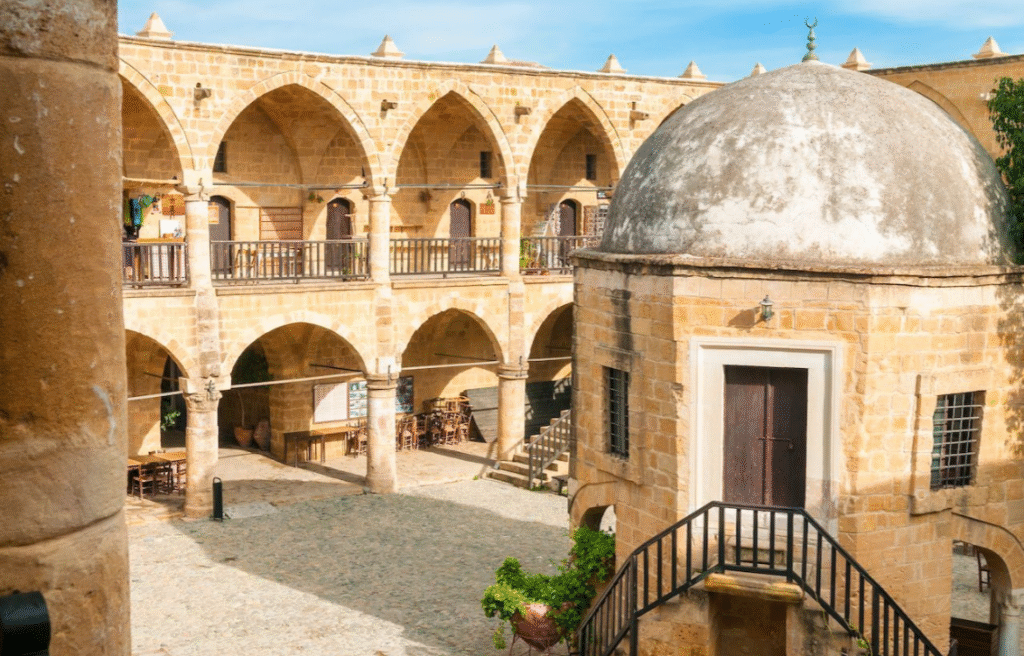
The Ledra Street pedestrian crossing offers a glimpse into the divided nature of Nicosia, where visitors can walk from the Greek Cypriot south to the Turkish-occupied north. In the northern part of the city, the Selimiye Mosque, originally the Gothic-style St. Sophia Cathedral, stands as an architectural marvel that reflects the island’s layered history. Nearby, the Büyük Han, a beautifully restored 16th-century Ottoman inn, now serves as a cultural hub with artisan shops, cafes, and art galleries showcasing Cypriot crafts and contemporary works.
For those seeking modern cultural experiences, the A.G. Leventis Gallery features an impressive collection of European and Cypriot art, while the Faneromeni Square area is home to street art, hip cafes, and live music venues that capture the city’s creative spirit. Nicosia’s cultural landscape is a reflection of Cyprus itself—diverse, dynamic, and deeply rooted in history.

Paphos: A Journey Through Myth and Antiquity
Paphos, a UNESCO World Heritage city on the southwestern coast of Cyprus, is a living museum of ancient civilizations, mythological legends, and stunning coastal landscapes. According to Greek mythology, Paphos is the birthplace of Aphrodite, the goddess of love and beauty, and the region is dotted with sites dedicated to her worship and the legends surrounding her origins.
The most famous archaeological site in Paphos is the Paphos Archaeological Park, home to some of the best-preserved Roman mosaics in the Mediterranean. The mosaics, found in the Houses of Dionysos, Theseus, and Aion, depict mythological scenes with intricate detail and vibrant colors, showcasing the artistic mastery of the Roman period. Nearby, the Tombs of the Kings, a vast necropolis carved into the rock, offers a haunting yet fascinating glimpse into the burial customs of the Hellenistic and Roman eras.
The medieval Paphos Castle, located at the edge of the harbor, is another cultural landmark that has witnessed centuries of conquest and transformation. Originally a Byzantine fortress, the castle was later rebuilt by the Lusignans and Ottomans, serving as a defense structure and prison. Today, it stands as a symbol of the city’s enduring past, providing stunning views of the sea and hosting cultural events such as the annual Paphos Aphrodite Festival, which features opera performances in an open-air setting.
Beyond historical sites, Paphos is a center for cultural festivities, including the Kataklysmos (Flood Festival), a unique Cypriot celebration that blends ancient maritime traditions with contemporary music, dance, and poetry. The city’s emerging arts scene is also evident in the Old Town, where restored neoclassical buildings house galleries, artisan workshops, and contemporary installations that bring a modern twist to Paphos’s ancient legacy.

Limassol: The Cultural Capital of the Coast
Limassol, Cyprus’s second-largest city, is a vibrant blend of tradition and modernity, where ancient history meets a contemporary lifestyle. As the island’s cultural capital, Limassol is known for its dynamic arts scene, lively festivals, and architectural heritage that spans centuries.
One of Limassol’s most significant historical sites is the ancient city of Kourion, an impressive archaeological complex overlooking the Mediterranean. The site features a well-preserved Greco-Roman theater, a grand basilica, and intricate mosaics that provide a glimpse into the city’s former glory. The amphitheater, still used for performances today, offers a breathtaking setting where history and art intertwine.
The Limassol Castle, situated in the heart of the old town, houses the Cyprus Medieval Museum, where visitors can explore artifacts from the Byzantine and Lusignan periods. The castle itself has a storied past, rumored to be the site of Richard the Lionheart’s marriage to Berengaria of Navarre during the Third Crusade. Surrounding the castle, the old town’s winding streets are filled with boutique shops, wine bars, and traditional tavernas, creating a charming blend of past and present.
Limassol’s cultural life is further enriched by its annual festivals, including the Limassol Wine Festival, a celebration of the island’s winemaking heritage featuring tastings, folk performances, and traditional Cypriot gastronomy. The Carnival of Limassol, one of the most extravagant in the Mediterranean, transforms the city into a spectacle of parades, costumes, and theatrical performances, reflecting the island’s Venetian influences.
For contemporary art lovers, the Lanitis Foundation and Evagoras Lanitis Centre host exhibitions and cultural events that showcase both Cypriot and international artists. Meanwhile, the coastal promenade and marina have become modern cultural hubs, where outdoor sculptures, live music, and seaside art installations create an atmosphere of creativity and leisure.

A Cultural Odyssey in Cyprus
Exploring Cyprus through the lens of culture offers a journey that spans millennia, from ancient ruins and mythological landmarks to contemporary art and vibrant festivals. Nicosia’s historic streets and divided heritage provide a window into Cyprus’s complex past, while Paphos’s archaeological wonders connect visitors to the legends of antiquity. Limassol, with its blend of history and modern cultural expression, rounds out the experience with a dynamic and festive atmosphere.
For travelers seeking a destination that weaves history, art, and tradition into every experience, Cyprus is an island that never ceases to inspire. Whether wandering through ancient theaters, discovering Byzantine churches, or engaging with the island’s contemporary cultural scene, Cyprus offers a rich and immersive journey that captivates culture lovers from around the world.
