
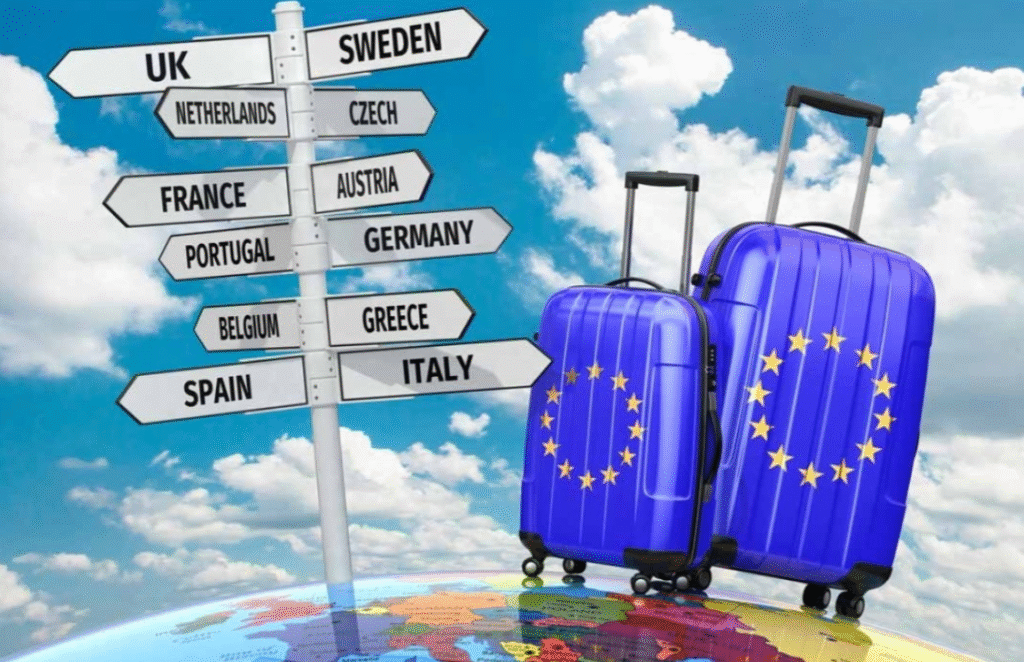
Europe has long been a dream destination for travelers from around the world. With its rich history, diverse cultures, stunning landscapes, and world-class cities, it offers something for everyone. Whether you are drawn to the historical charm of Rome, the artistic elegance of Paris, the vibrant nightlife of Berlin, or the breathtaking natural beauty of the Swiss Alps, Europe provides an unparalleled travel experience. Each country has its own unique character, cuisine, and traditions, making a journey through Europe an unforgettable adventure.

Planning Your European Adventure
Before setting out on your European journey, planning is essential to ensure a smooth and enjoyable experience. Consider the best time to travel, depending on your preferences for weather, crowds, and budget. Spring and fall are often the most pleasant seasons, offering mild temperatures and fewer tourists. Summer, while popular, can be crowded and expensive, especially in major cities. Winter, on the other hand, offers a magical experience with Christmas markets, snowy landscapes, and excellent skiing opportunities in the Alps.
Budgeting is another crucial aspect of planning. Europe can be expensive, but with careful planning, it is possible to travel affordably. Consider using budget airlines, rail passes, and public transportation to save money. Accommodation options range from luxury hotels to hostels, Airbnb rentals, and even couch-surfing opportunities. Dining in Europe can be a delight, and while fine dining is available, street food and local markets offer delicious yet affordable options.

Transportation Across Europe
One of the great advantages of traveling in Europe is its well-developed transportation network. The extensive train system allows for convenient and scenic travel between cities and countries. High-speed trains such as the Eurostar, TGV, and ICE connect major hubs efficiently, while regional trains provide access to smaller towns and countryside destinations.
For those looking for budget-friendly travel, buses operated by companies like FlixBus and Eurolines offer a cost-effective way to explore the continent. Budget airlines, such as Ryanair and EasyJet, provide low-cost flights between major cities, though additional fees for baggage and seat selection should be considered. Renting a car is another option, particularly for exploring rural areas, scenic routes, and hidden gems off the beaten path.

Iconic Destinations in Europe
Europe boasts countless must-visit destinations, each offering its own charm and attractions. Paris, known as the City of Light, mesmerizes visitors with its iconic landmarks like the Eiffel Tower, Louvre Museum, and Notre-Dame Cathedral. Rome, the Eternal City, is a treasure trove of history, featuring the Colosseum, Vatican City, and the Pantheon. London impresses with its blend of modernity and tradition, showcasing Buckingham Palace, the Tower of London, and vibrant neighborhoods like Camden and Soho.
For those seeking a coastal retreat, the Amalfi Coast in Italy and the French Riviera offer stunning seaside landscapes and luxurious resorts. The Greek islands, including Santorini and Mykonos, provide picturesque views, whitewashed buildings, and crystal-clear waters. Spain’s vibrant cities, such as Barcelona and Madrid, captivate visitors with their architecture, art, and lively atmosphere. Meanwhile, Eastern European cities like Prague, Budapest, and Kraków enchant travelers with their medieval charm and affordability.

Cultural and Culinary Experiences
Europe’s cultural diversity is reflected in its languages, traditions, and cuisines. Each country boasts a unique culinary heritage that is worth exploring. In Italy, indulging in authentic pasta, pizza, and gelato is a must. France offers world-renowned cuisine, from croissants and escargots to coq au vin and crème brûlée. Spain’s tapas culture allows for sampling a variety of flavors, while Germany is famous for its sausages, pretzels, and beer culture.
Beyond food, Europe’s cultural experiences include music, art, and festivals. Classical music lovers can visit Vienna, the birthplace of Mozart and Beethoven, while art enthusiasts will appreciate museums such as the Prado in Madrid, the Uffizi Gallery in Florence, and the Van Gogh Museum in Amsterdam. Festivals, such as Oktoberfest in Munich, Carnival in Venice, and La Tomatina in Spain, offer unique and immersive experiences that showcase local traditions and celebrations.

Exploring Nature and Adventure
While Europe is known for its historic cities and cultural landmarks, its natural landscapes are equally breathtaking. The Swiss Alps provide opportunities for skiing, snowboarding, and hiking, with scenic views of majestic peaks and pristine lakes. Norway’s fjords offer dramatic landscapes ideal for cruising and outdoor exploration. Scotland’s Highlands present rugged beauty and ancient castles, while the Plitvice Lakes in Croatia showcase stunning waterfalls and crystal-clear waters.
For adventure seekers, Europe offers a variety of outdoor activities, from paragliding in the Austrian Alps to surfing in Portugal’s Algarve region. Cycling enthusiasts can embark on scenic routes such as the Danube Cycle Path or the Loire Valley trails. National parks, such as Sarek in Sweden and Triglav in Slovenia, provide remote and untouched wilderness for those looking to escape the crowds.

Traveling Responsibly and Sustainably
With tourism having a significant impact on local communities and the environment, responsible travel is more important than ever. Sustainable travel practices include supporting local businesses, respecting cultural heritage sites, and minimizing waste. Using public transportation, staying in eco-friendly accommodations, and choosing ethical wildlife experiences contribute to reducing one’s environmental footprint.
Many European cities are taking steps to promote sustainability by implementing pedestrian-friendly zones, expanding cycling networks, and encouraging green tourism initiatives. Travelers can also participate in voluntourism projects or opt for slow travel, spending more time in fewer destinations to fully immerse themselves in the local culture and reduce their carbon footprint.
